Table of Content
Your insurance company will cancel your policy if they do not receive your premium payment by the due date. Some insurance carriers may offer a grace period but you should do your best to stay timely on your premiums. In some states, you may only receive a 10-day notice before your insurer cancels your policy for non-payment.
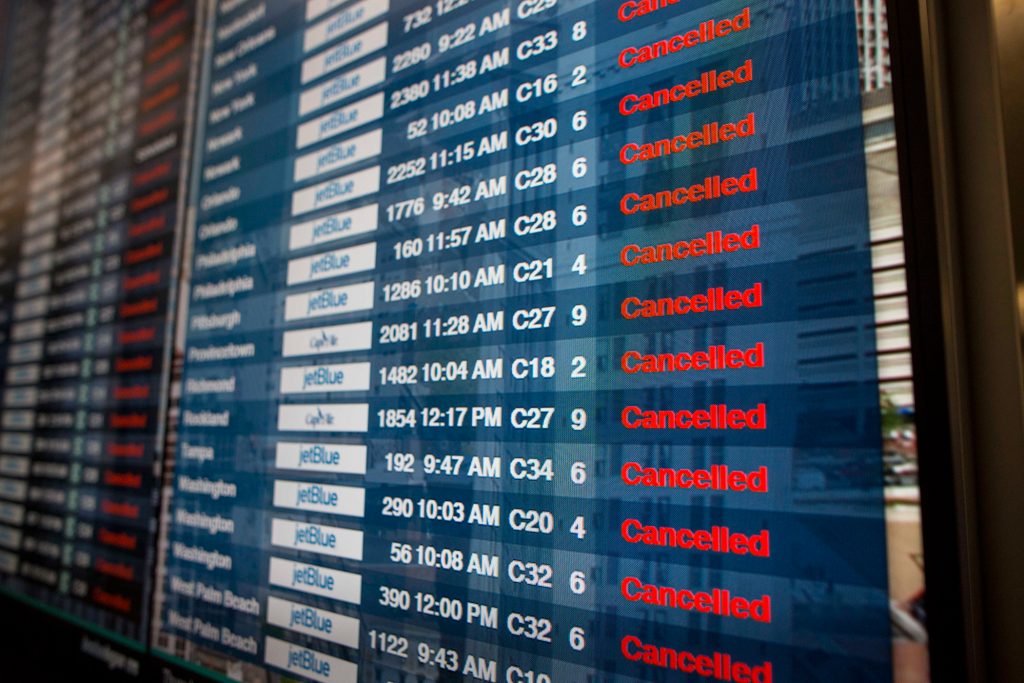
Most major insurance companies prorate refunds, meaning you can cancel at any time and get reimbursed for any unused policy premiums. But on the rare occasion, smaller mutual insurance companies may charge a financial penalty called a short rate cancellation if you cancel your policy before the policy’s expiration date. In the United States, insurance customers generally have the right to cancel their policies at any time for any reason. If you paid your premiums in advance, your insurer will refund any unearned premiums, meaning the money you paid for coverage for the time after the cancellation date.
#1 You Stopped Paying Your Insurance Premiums
Your insurer is required to provide you with a cancellation or nonrenewal notice containing an explanation for their action and giving you a specified amount of time before your coverage ends. In hurricane-prone states such as Florida, your insurer may issue a nonrenewal notice because your roof is more than 10 years old, regardless of its condition. When issuing a nonrenewal, insurers are required to provide you with advance written notice ranging from 30 to 120 days to allow you enough time to shop around and find alternative coverage. The cancellation allowance for insurers is limited to specific reasons, such as non-payment of premiums or fraud committed by the homeowner. In both cases, the insurer must state the reason for ending your coverage. Most homeowners insurance companies offer you a grace period in which you can make your payment to reinstate your coverage.
For example, the California FAIR Plan serves many homeowners who are denied coverage because they live in wildfire-prone areas. However, the base policy only insures the homeowner for three of 16 common perils. Force place insurance on you – which gives suboptimal coverage at high costs.
Cancellations and Non-Renewals
While this alone may not exclude you from receiving coverage, it can have an impact on the cost of your premiums. The insurance provider might cancel your policy if they weren't made aware of your exotic pet's existence when it was provided coverage if it bites or damages your neighbor's property. Full disclosure is essential, and withholding information from your insurance provider could give them a legitimate excuse to terminate your policy. If the insurance company's underwriter inspects your property and discovers an unacceptable risk, they may terminate your existing policy when it comes up for renewal.

If you receive a non-renewal notice, the first thing to do is to learn why your policy is being canceled. If you don't get an explanation in the mail, you may always call your carrier or agent and ask them for more information. You may be able to persuade the insurance company to preserve your coverage by making adjustments to your house or policy, depending on the circumstances. Well, if you receive a refund check from your homeowners insurance company, you may need to delay your celebrations. The check should ultimately end up going back, at least in part, towards insurance payments, which, unfortunately, is more practical than it is joyous. If you are buying an existing home, find out what claims have been filed in recent years.
Cancellation and Non-Renewal Notices
If the insurance company cancels your policy, the pro rata method of calculation must be used to determine your refund amount. On the other hand, learning that your homeowners insurance policy was canceled or nonrenewed can be stressful and frustrating. But the reality is that it can happen, and you need to know why and how to resolve the issue if it does. Bankrate.com is an independent, advertising-supported publisher and comparison service.
A homeowners insurance lapse may be the simplest type of issue to fix if you handle it quickly. A policy typically lapses if you failed to make your premium payments. Having a coverage lapse could put you at financial risk of having no insurance if your home is broken into or disaster strikes.
Your insurance company may require a home inspection when you first buy the policy and before deciding to renew your contract. Home inspections are not always required before renewing the policy but can be more likely if you live in an older home or your home hasn’t been inspected for several years. Home insurance cancellation rights can vary by state but generally, your insurance company will need to provide you notice before ending your coverage. Most insurance companies now require a credit check before giving coverage.
You can call your agent or carrier to request that your policy be canceled on a specific date. You may also be entitled to a prorated premium refund if paid in advance for the entire policy term. When it comes to homeowners insurance, cancellation, nonrenewal and policy-lapsing are all different forms of discontinuation — and each have their own set of consequences.
If you think the reason for non-renewal is unfair, you can file a complaint with the Department of Financial Services. Once you officially decide to change your homeowners insurance, you’ll want to confirm a few things before contacting your current insurance provider to cancel. Our mission is to provide readers with accurate and unbiased information, and we have editorial standards in place to ensure that happens. Our editors and reporters thoroughly fact-check editorial content to ensure the information you’re reading is accurate.

Do not delay contacting your insurance provider or agent and making any overdue payments if you have received a home insurance policy lapse letter. Reinstating your policy may necessitate notifying your mortgage lender, who normally demands proof of homeowner's insurance as part of the loan application process. For example, if you have a policy canceled, your lender may acquire a new policy on your behalf and expect you to pay for it. If the new policy is far more expensive than your current policy, you'll still be required to pay it. Unlike regular homeowners insurance policies, this is "force-placed" and does not cover any of your personal goods.
A nonrenewal means your insurance company is canceling your policy after the full term expires. A cancellation means the insurance company is terminating your contract mid-policy for specific reasons, such as late payments or insurance fraud. Insurance companies can cancel certain types of common insurance policies, like auto and home contracts, for any reason during the first days after it issues the policy.




No comments:
Post a Comment